
The Change That Should Have Worked (and Why It Didn’t)
Change can't happen when surface alignment hides systemic misalignment.

Fourteen months of focus.
New pipelines, new rituals, new dashboards.
The goal was clear: rapid release and dynamic delivery.
And yet, despite everyone’s best intentions, it never happened.
The teams were busy, but not advancing.
This is a painfully real experience with a client, and one with which I suspect you can resonate.
Beneath the Surface: Misalignment in the System
The real problem wasn’t technical. It was systemic.
Nobody agreed on why releases were slow.
Some pointed to environments. Others blamed testing, coordination, or approvals.
Nobody agreed which problems were solvable and which were structural.
Nobody agreed who counted as “in the team.”
Without that shared clarity, improvement looked like motion but produced no momentum.
Why Alignment Broke
The organization never converged on which behaviors mattered.
Each group optimized for different indicators of “speed.”
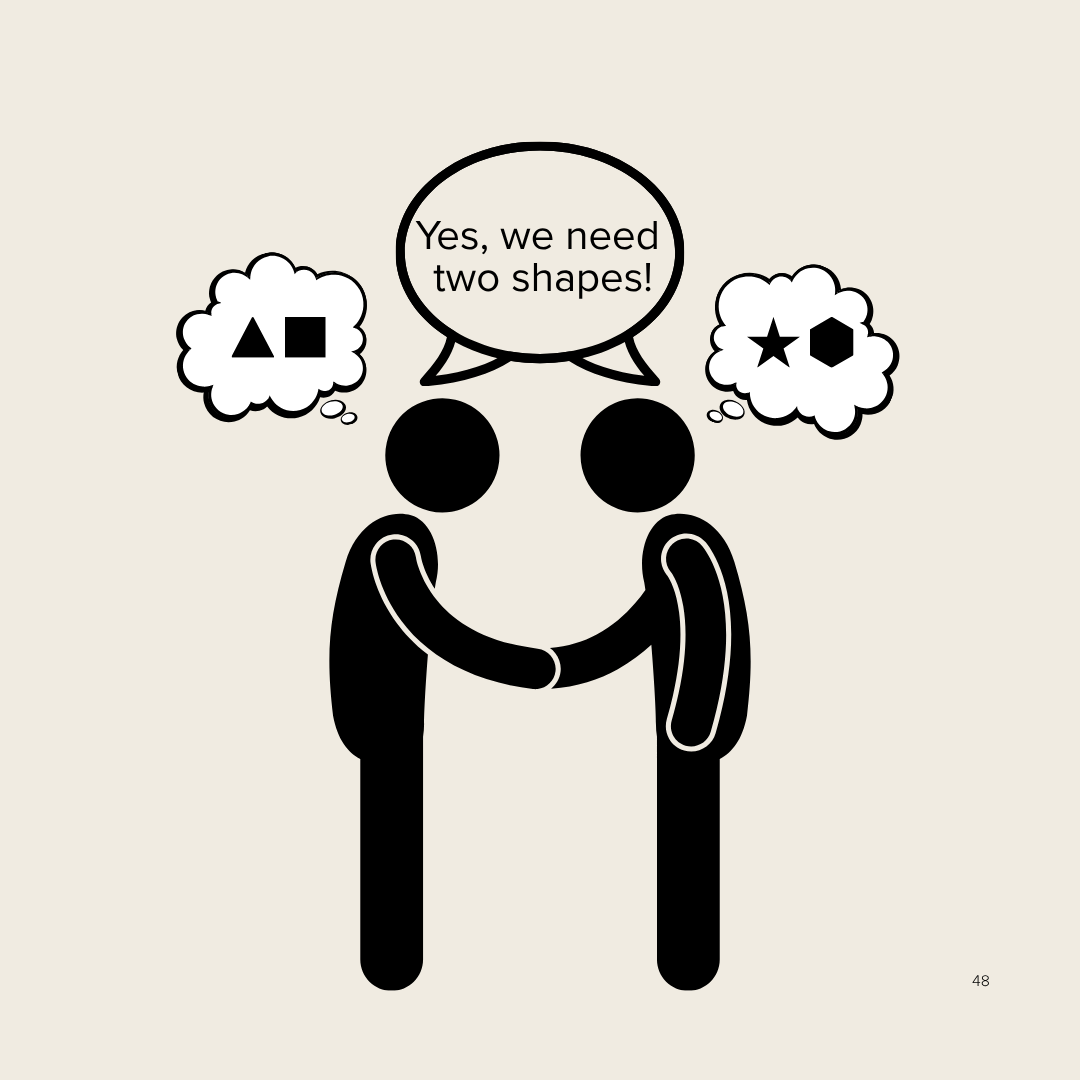
Without a shared agreement to the problem, teams pulled in different directions: one chasing automation, another reworking process, another restructuring teams.
It wasn’t that they didn’t care. It’s that they didn’t have a common way to act together.
The First Missing Component: Walking the Trail
In the Green Path, we talk about walking the trail as an action, not a metaphor. This process connects to the real experiences of the system and the people involved in it.
Walking the trail is more than diagnosis. It’s an act of sensemaking that:
Honors the intelligence of the people in the system.
Reveals the forces shaping their choices.
Clarifies the real problem rather than surface symptoms.
And once the problem is clear, we’re ready to map the behaviors between the current system and the desired systems. This will identify the keystone behaviors that don’t just fix what’s broken, but unlock lasting positive change.
The Second Missing Component: Identifying Keystone Behaviors
This component is about deliberately practicing the keystone behaviors that create capability, especially when the system feels messy or uncertain.
However, to do this effectively requires a level of concreteness that exposes misalignment.
The Lesson: Agreement before Acceleration
You can’t design your way to faster delivery. You have to practice your way there.
That begins with walking the trail and identifying the few keystone behaviors that actually change capability. Then you can begin practicing them until the system moves as one.
Alignment isn’t verbal agreement. It’s behavioral consistency.
Once the work itself reflects shared behaviors, the system becomes self-correcting.
So now ask yourself, are the teams walking the same trail? Or are they running in parallel, hoping effort alone will converge?