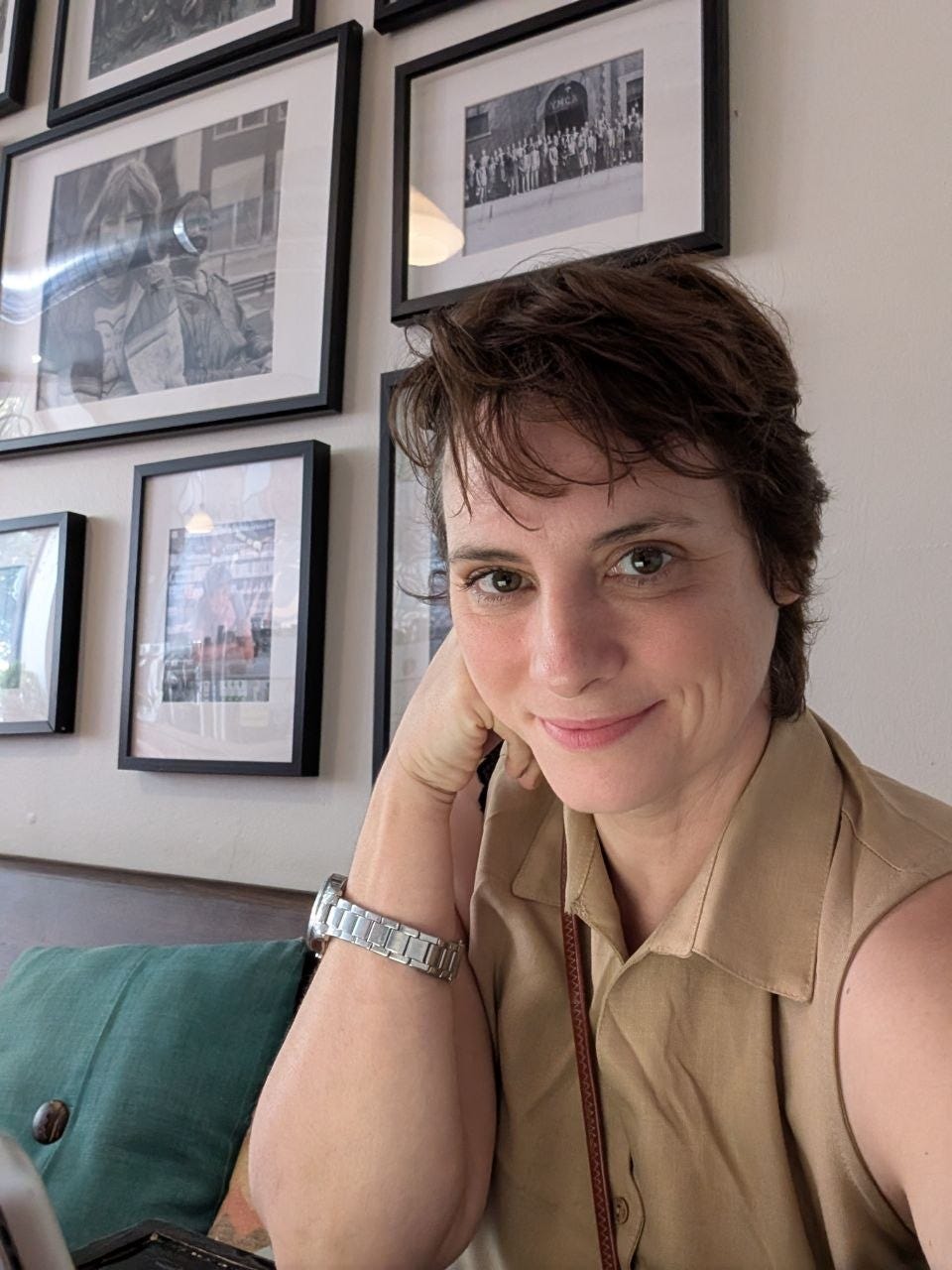
Most workshops hand you the theory of the dish, not a recipe. That’s real, and it’s useful, but it isn’t a recipe. And even a team lucky enough to walk out with an actual recipe still hasn’t cooked the dish. A recipe gives you the method. It doesn’t give you the timing, the knife skills, the feel for when something’s ready that only comes from standing at the stove.
Most workshops describe how you could theoretically make a corporate cookie in an idealized factory. A good workshop should be grandma baking a cookie with you in your kitchen.
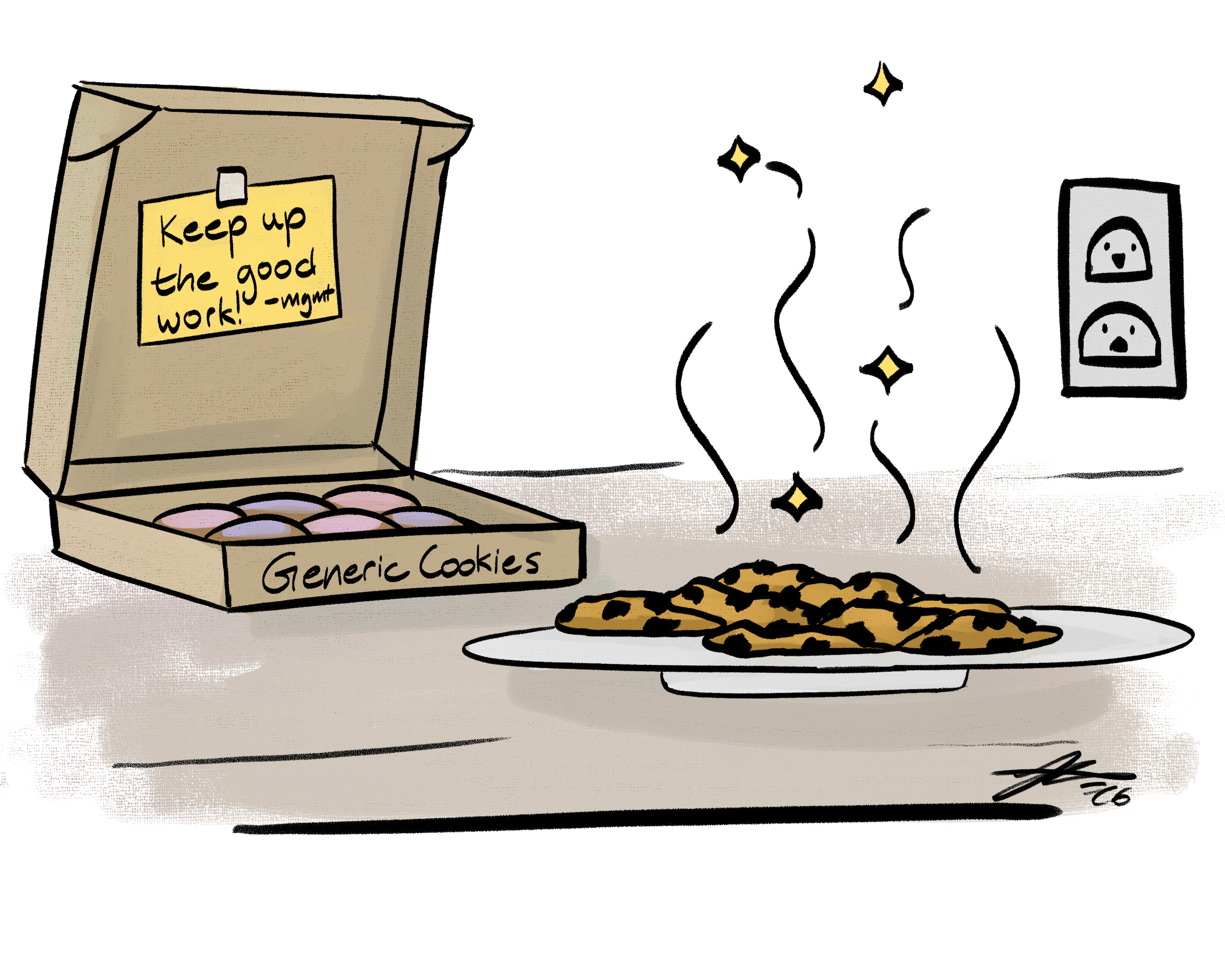
The best case for most workshops is some awareness, maybe a working recipe if you’re lucky. Neither one builds what a team needs to keep running on its own.
Skills aren’t installed like software, they’re built through repeated practice in real work. Practice beats a workshop because of what a team ends up owning when it’s done right.
What a curriculum can’t give you.
A generic curriculum is a recipe somebody else wrote for a universal, theoretical kitchen. It’s written for nobody’s actual codebase, nobody’s actual blockers, nobody’s actual way of working. So when four people who each learned it separately step onto a line together, the food doesn’t come out the same. It never does. The taste was never on the card.
Every good team has their own recipe book, not one that somebody sold them. They build it dish by dish, out of the specific way they take on their hardest problems, the shortcut they fell into one sprint and kept, and the exact point in a review where they know to stop and just talk it through instead of commenting back and forth. Nobody hands a team that. It has to be built by the people cooking it, out of what they already knew before they ever worked a shift together, combined by working those shifts together.
What building fluency looks like in practice.
I help them write their own book, one entry at a time, aimed exactly at their codebase and their team, not handing them a curriculum to master. This changes how the work itself runs, week to week, until writing the cookbook becomes part of the job instead of a class about the job.
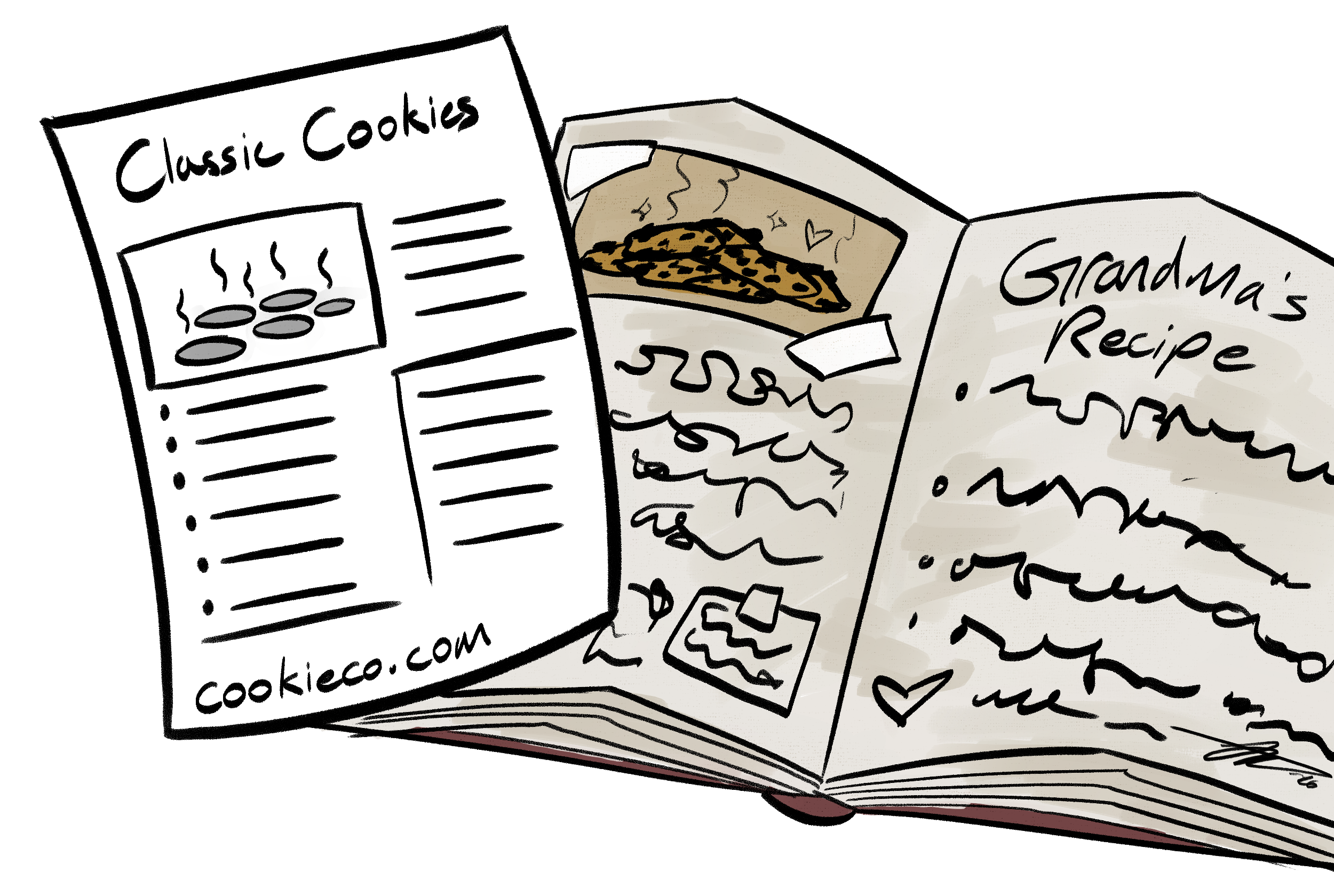
That’s the concrete promise, and it’s checkable. If a team still needs a workshop for those particular skills a year later, the book didn’t get written. That’s the failure mode that matters, not whether they enjoyed the training.
Where the workshop still earns its place.
A workshop’s real job is giving people new awareness and concrete-sounding ways to work, ideas and methods they didn’t have before. That’s real value, and it’s often what makes people willing to change how they work in the first place. What it can’t give them is grounded experience, the version of those ideas that only comes from actually running them in real work, again and again, until they fit.
Which means the timing doesn’t actually matter. A workshop can come before the work starts, after people have already hit the wall it addresses, or somewhere in between. What matters is that it’s paired with the real work, not standing in for it.
This works at either scale.
The mechanism doesn’t change with scale, only who’s holding it and who’s paying for it.
An organization. The engineering managers responsible across several teams decompose training they already have or identify novel solutions to team-specific problems, and build the right changes into the workflow itself. We work team by team, until each team owns an active recipe book instead of a vague memory of a shared deck.
An individual, self-directed. They build their own book through a community of other practitioners and structured mentoring, one entry at a time, out of their own actual work, with people further along helping them see what’s worth keeping.
An individual, sponsored by their organization. Same mentoring and community, but the employer is paying, betting that one person building a real practice will bring it back and seed it across their own team.
What to do with this if you manage a team.
Stop measuring the training by the workshop. Measure whether the team can point to team-specific practices three months later that nobody outside the team taught them.
If a vendor’s pitch is the curriculum itself, ask what happens after day two. If the answer is “another module,” question where the learning is directly practiced in the workflow.
Budget the workshop as a one-time input, and also budget the ongoing engine.
That’s the actual shift I help people make. The work itself starts carrying it, not one more session on the calendar.
While post-workshop surveys ask “how was it”, they can’t answer the important question of whether anything survived to month three.
My chart has the 12 red flags on whether the workshop was stickable, each paired with a 30-second check you can run this week.
Unlock the full chart with a paid subscription →